
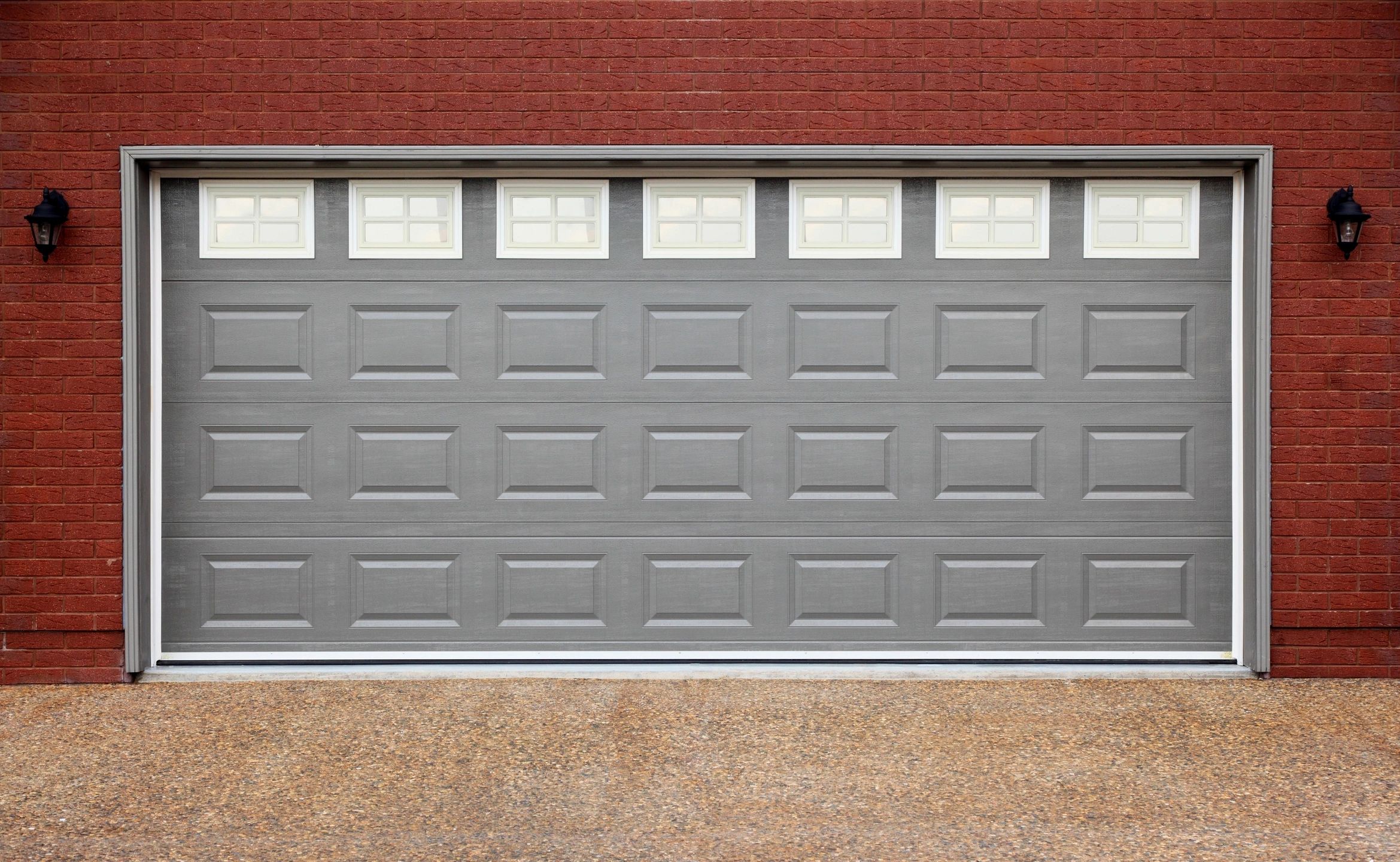
Garage Door Preventative Maintenance & Troubleshooting
The garage door is the largest moving object in the home, make sure it is always operating properly for safety and long-term financial protection.
Preventative Maintenance
1.Visual Audit
With the door closed, inspect the rollers, tracks, springs, and cables. Look for frayed wires, loose bolts, or worn-out rollers (look for chipped plastic or flat spots).
2.Lubrication
Friction is the enemy of the bottom line. Use a lithium-based grease or silicone spray (never WD-40) on:
- The rollers (ball bearings).
- Hinges and pivot points.
- The torsion spring (the large coil above the door).
- The metal tracks (wipe down the inside of the tracks first to remove debris).
3.Hardware Tightening
The vibration of a garage door can loosen nuts and bolts over time. Use a socket wrench to ensure all brackets and hinge bolts are secure.
4.The Balance Audit (Crucial)
Disconnect the opener by pulling the red emergency release cord. Lift the door halfway manually.
- The Result: If it stays in place or moves very slowly, it’s balanced.
- The Risk: If it slams shut or shoots upward, the "Equipment" is out of balance, putting a strain on the motor. Call a professional immediately.
Operation
- Photo-Eye Alignment: Ensure the sensors at the base of the tracks are aligned. If the lights are flickering, the "security perimeter" is compromised. Wipe the lenses with a microfiber cloth.
- The "Cardboard Box" Stress Test: Place a cardboard box in the door's path and close it. The door should reverse instantly upon contact. If it crushes the box, your "Auto-Reverse" safety protocol is failing.
- Sensor Test: Wave an object (like a broom) in front of the sensors while the door is closing. It should reverse immediately.
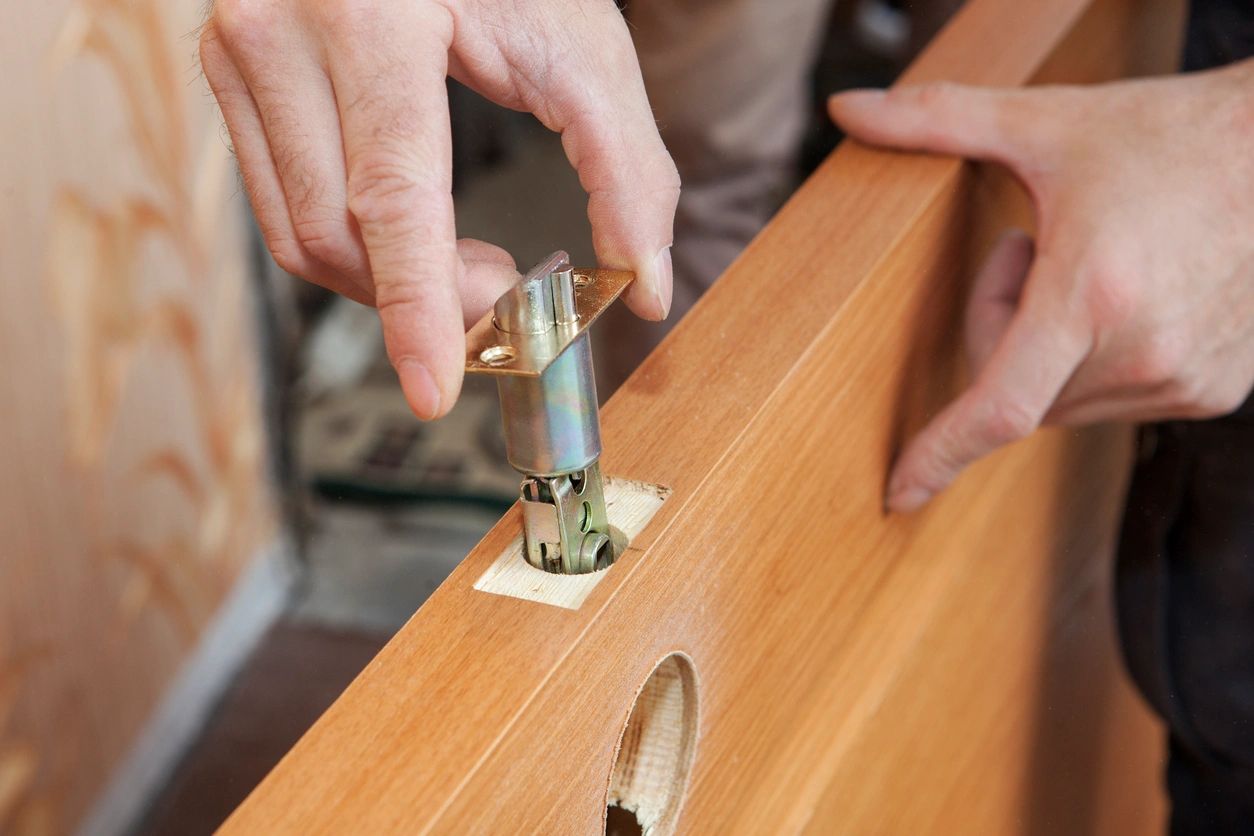
Troubleshooting
Before calling a contractor, run these diagnostics:
| Door won't close, lights flashing | Check for obstructions; realign photo-eye sensors. | Sensor wiring is damaged or needs replacement. |
| Loud grinding or squeaking | Apply silicone/lithium lubricant to all moving parts. | Metal-on-metal grinding persists (bad bearings). |
| Remote works, wall button doesn't | Check the "Lock" feature on the wall panel. | Wiring between the panel and motor is faulty. |
| Motor runs, door doesn't move | Ensure the emergency release cord isn't engaged. | The drive gear inside the motor is stripped. |
| Door opens slightly, then stops | Check tracks for debris or ice build-up. | Spring is broken. (Look for a gap in the coil). |
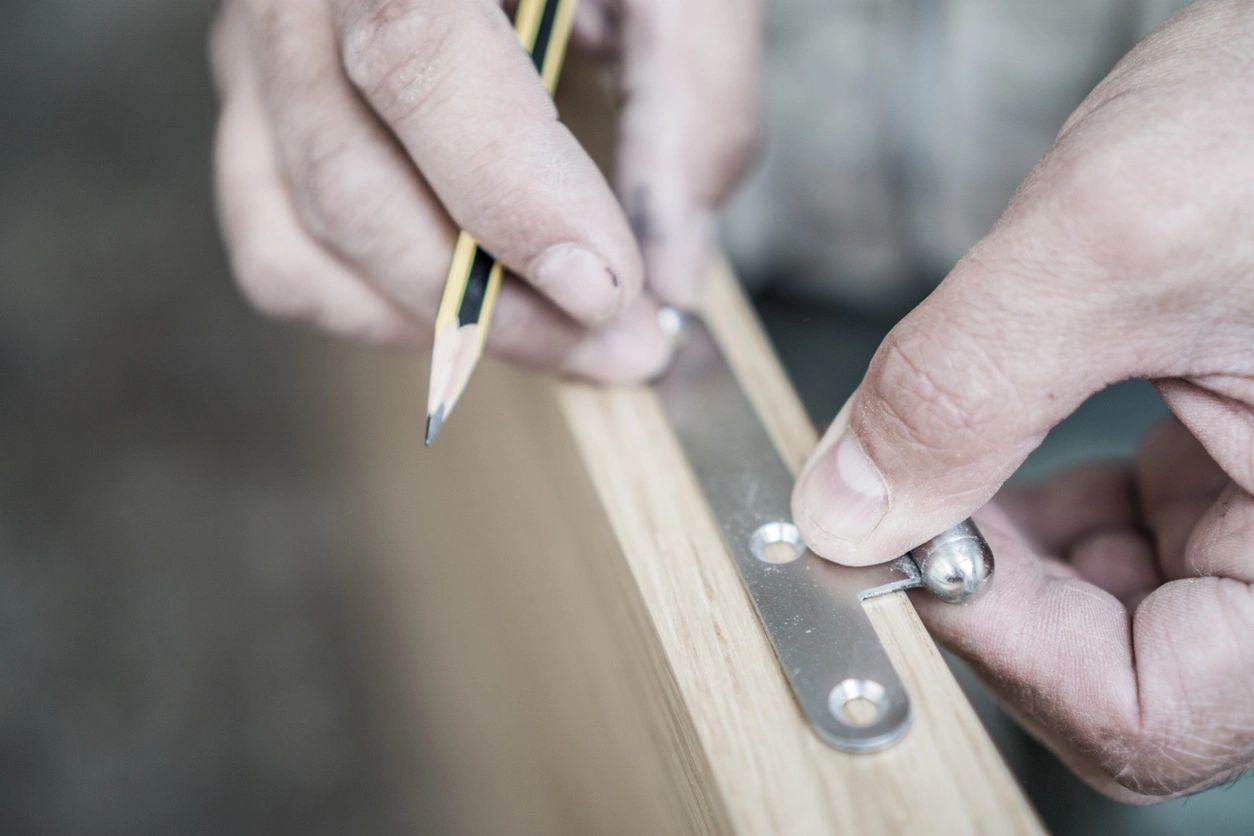
When to Delegate to a Pro
Never attempt the following:
- Torsion Spring Replacement: These springs are under extreme tension. A mistake can be fatal or cause severe injury.
- Cable Re-stringing: If a cable snaps or comes off the drum, the door is effectively a "dead weight" that can fall without warning.
- Track Replacement: If a track is bent or detached from the wall, the structural integrity of the system is compromised.
Executive Summary
"A well-maintained garage door increases the lifespan of the opener by 30% and prevents emergency service calls that often cost double the rate of scheduled maintenance. Inspect quarterly; lubricate bi-annually."